







Everest North Side, Extended into Nepal
Everest stands on a border, and on the Tibetan side the walking ends at base camp. From there the mountain continues into Nepal, over ground that most trekkers know as the Khumbu — and the trails beyond the frontier, toward the Khumbu and the Annapurna foothills, are open to anyone willing to cross the border and carry a Nepali permit. This page is about how the two halves fit together, and who does which part.
The Tibetan half
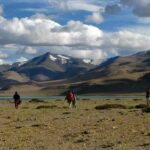
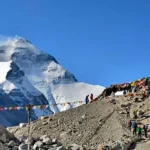
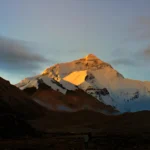
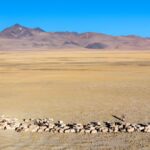
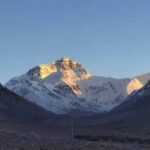
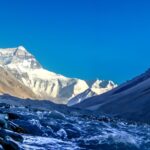
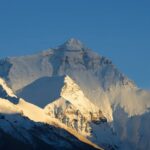
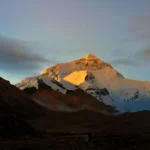
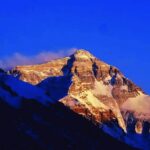
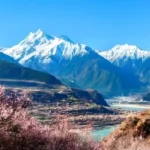
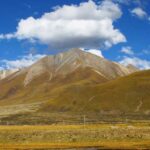
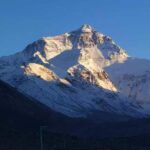
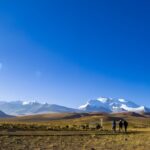
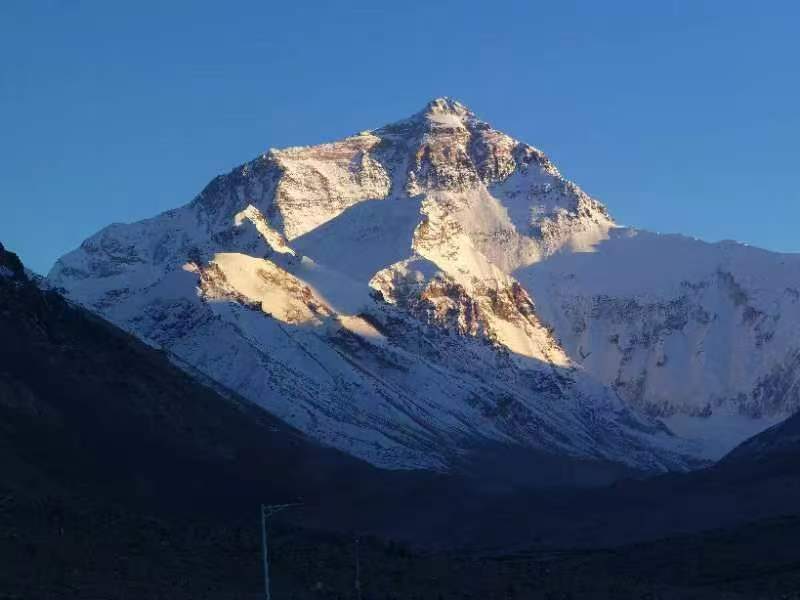
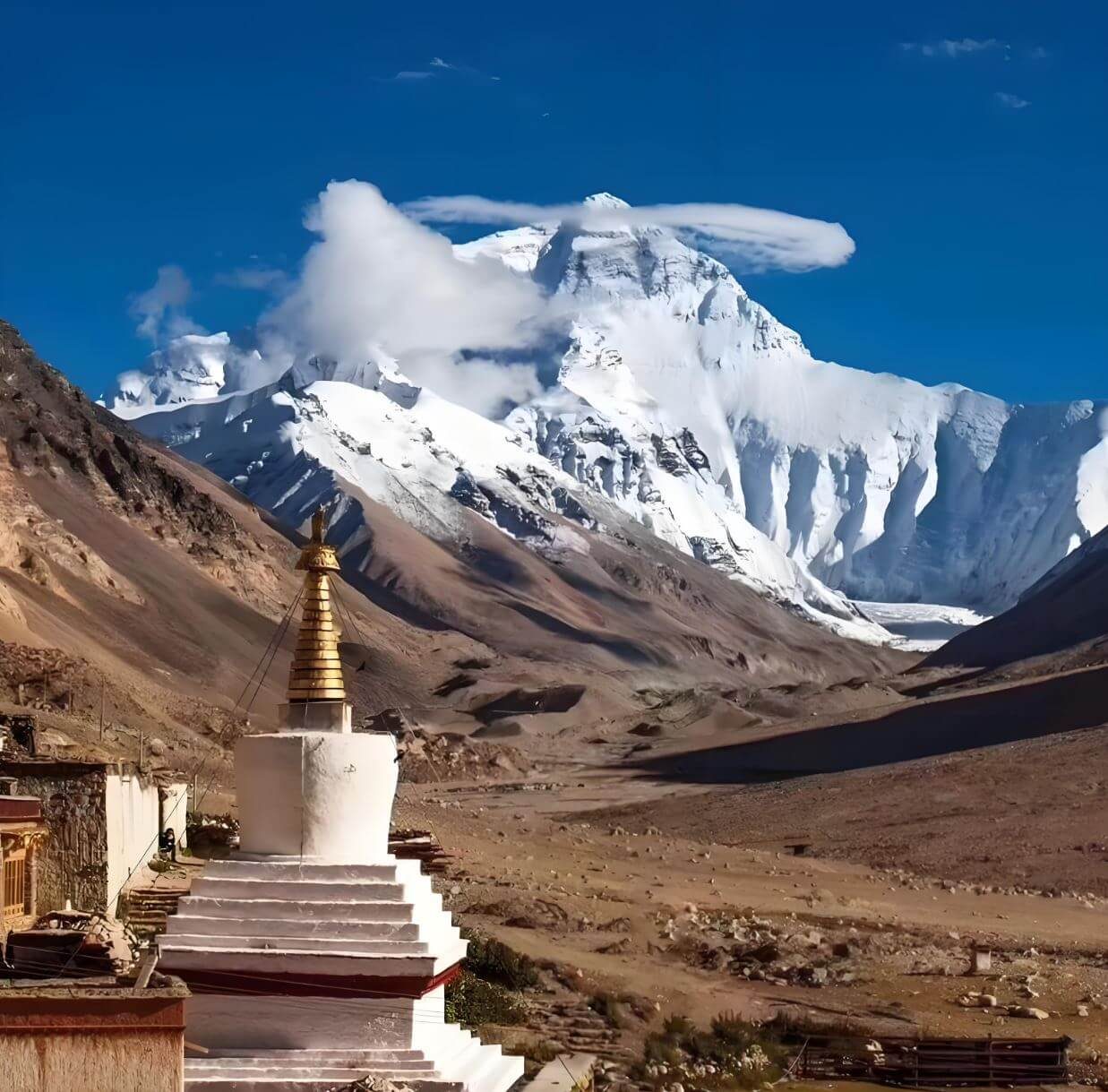
Almost every version starts with the classic walk from Old Tingri across the plateau to the north base camp: four to five days of high, open ground at 4,500 m and above, with the north face growing larger each day, then the last stretch up the Rongbuk valley to the camp at 5,200 m. We run this in full, with a guide, a cook and yaks or vehicles carrying the camp. It is the best way to reach the mountain on your own feet without technical climbing, and it is the part of the journey that belongs to us.
Crossing into Nepal
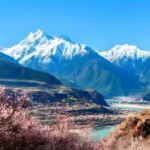
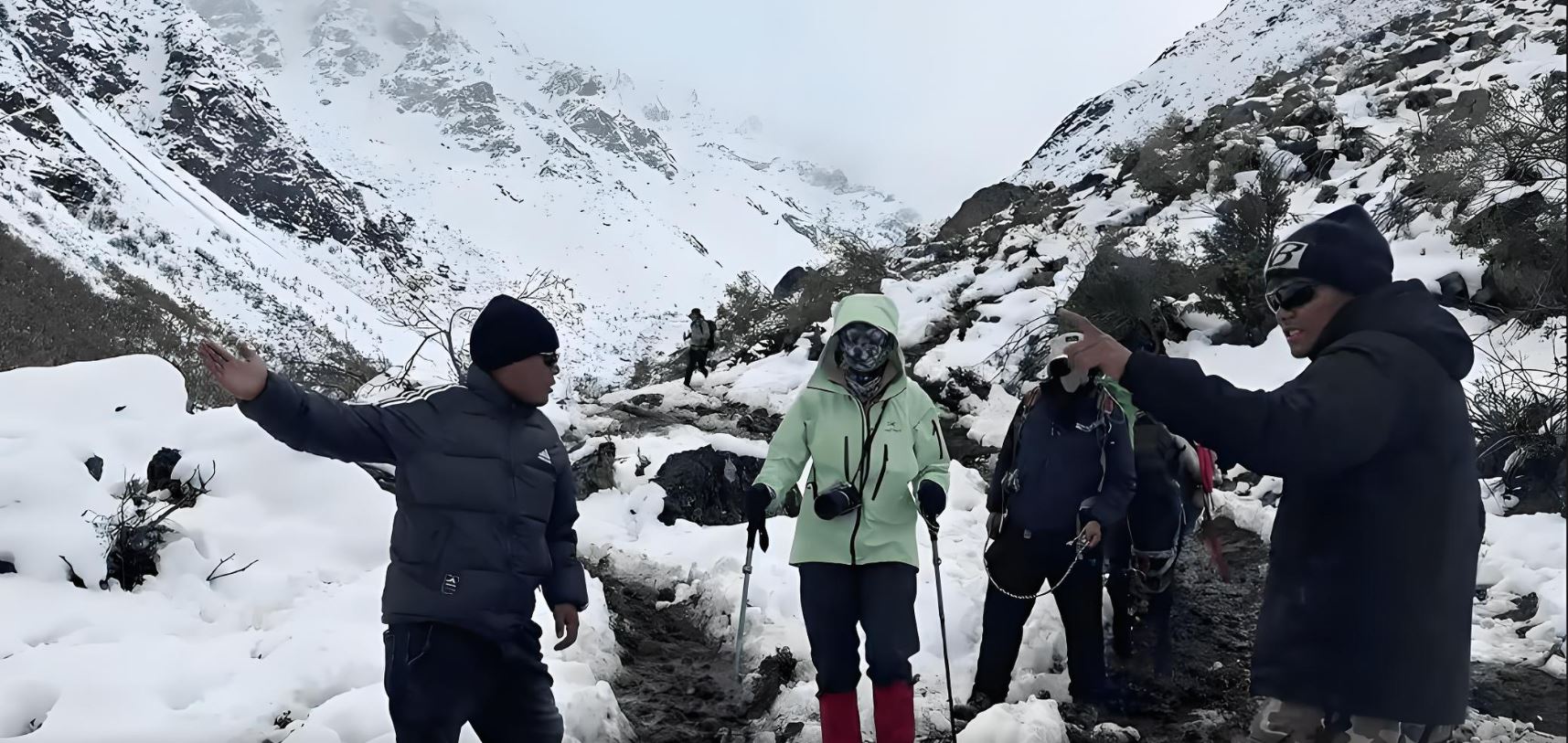
From the Tibetan side the border crossing at Gyirong leads down into Nepal, and from there the trails run on toward the Khumbu and the Annapurna region. That country is Nepali ground: it needs a Nepali trekking permit and a licensed Nepali operator, and it is arranged by our partner in Kathmandu rather than by us. We hand you over at the frontier with your Tibetan section completed, rather than pretend the whole route is ours — that honesty is the reason the handover works.
How to think about it
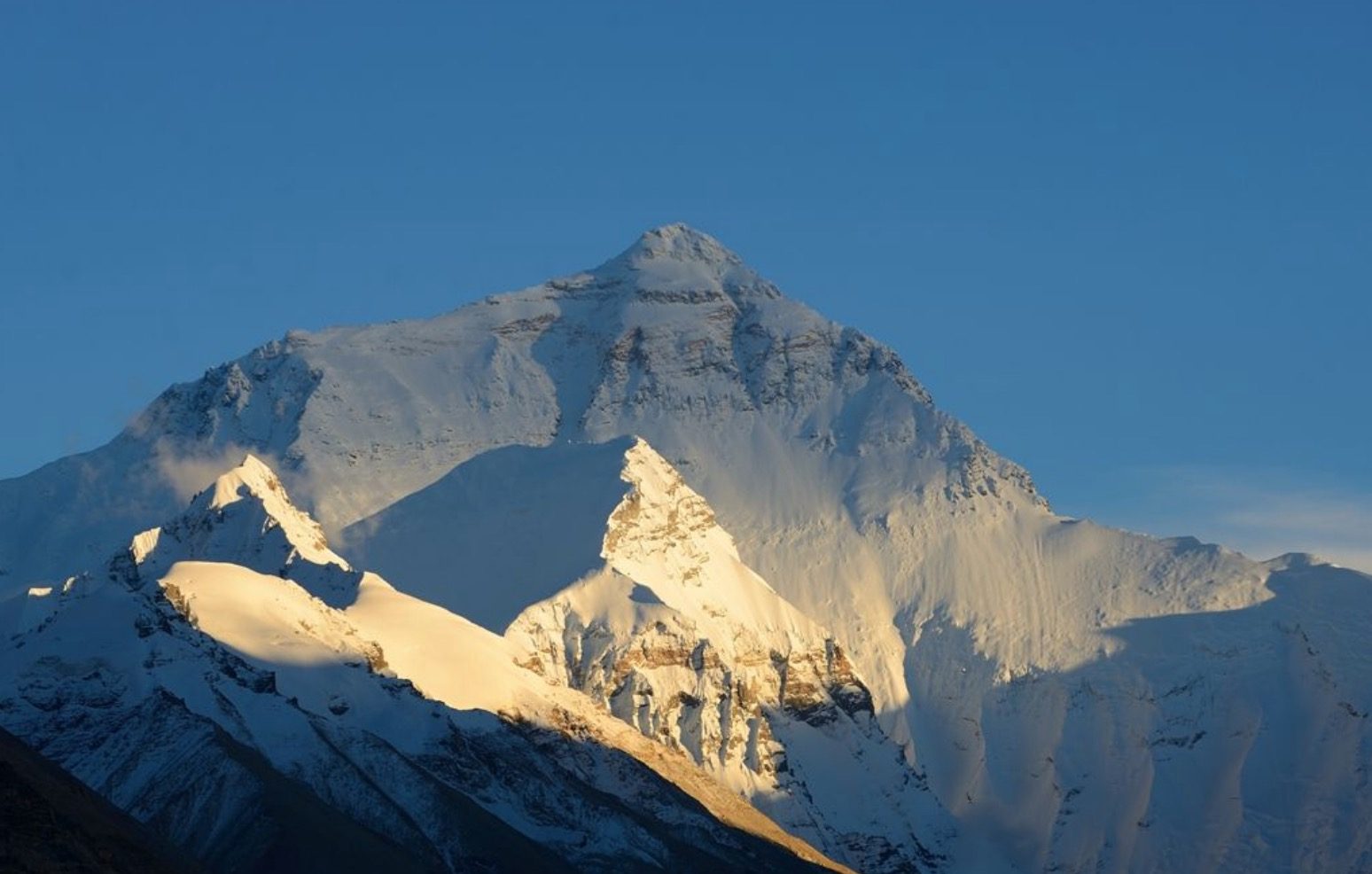
Treat it as two journeys that join. The Tibetan half is high, empty and run on your dates; the Nepali half is a different country with a different permit system and a different operator. Most guests take the Tibetan walk first and cross afterwards, which also gives the altitude time to settle before the long descent into Nepal. Tell us how many days you have on each side and we will put the two halves together with a handover that actually works on the ground.
When to go
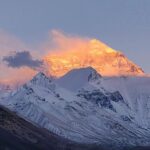
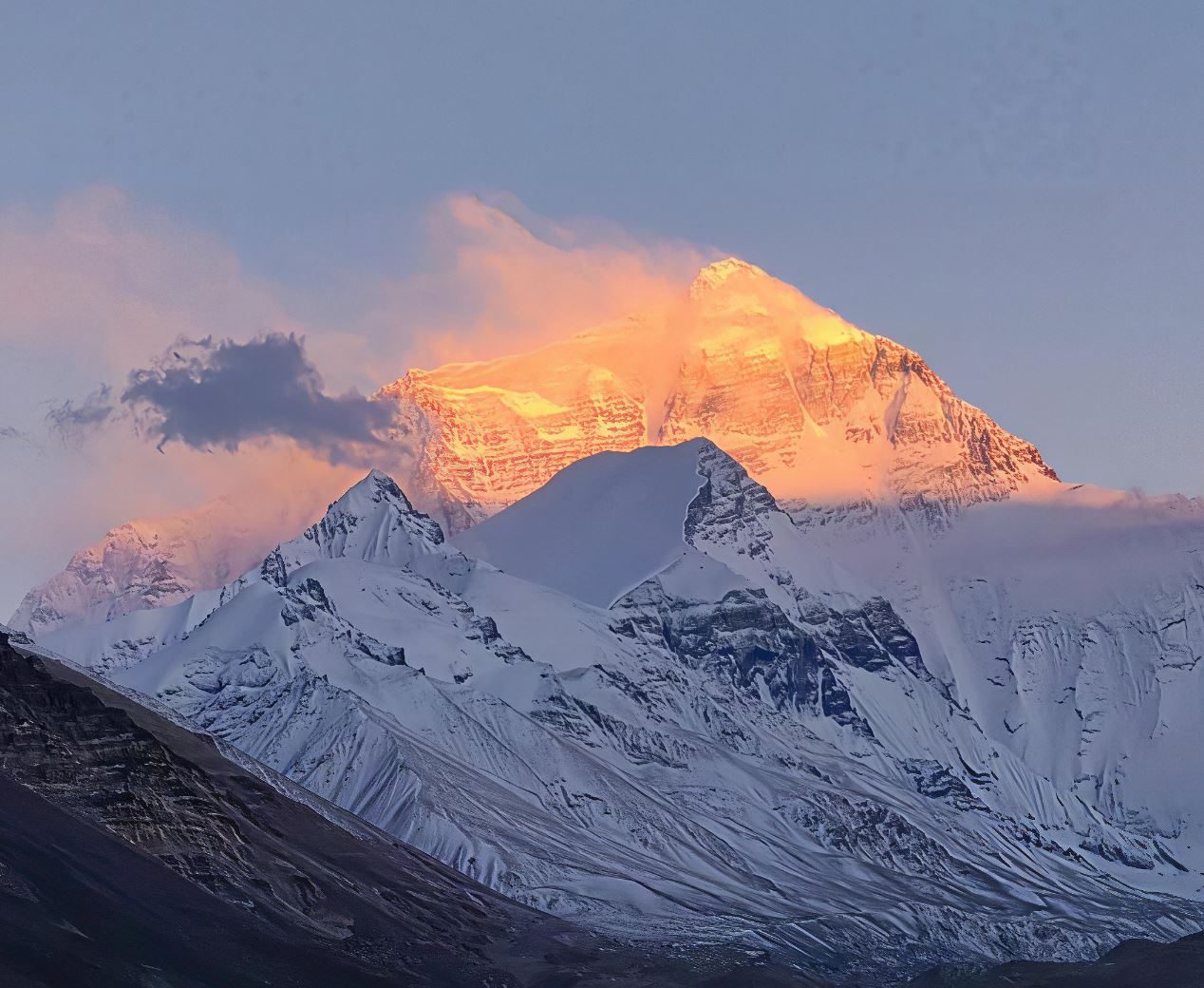
The Tibetan walking season runs from roughly April to October, with spring and autumn giving the clearest views of the north face. The Nepali side has its own two windows, with the autumn season following naturally on from the Tibetan one. We will match the two so the crossing lands in the right month rather than forcing it.
Tibetan walks at the mountain
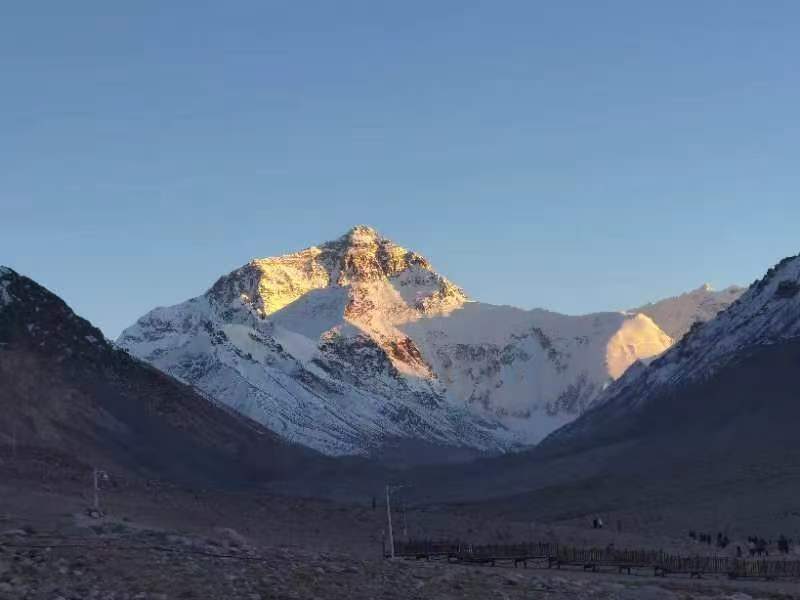
12 Days Trekking Tour from Old Tingri to EBC
Twelve days with the Old Tingri to base camp walk at the heart of it — the Tibetan half of the cross-border route, run in full.
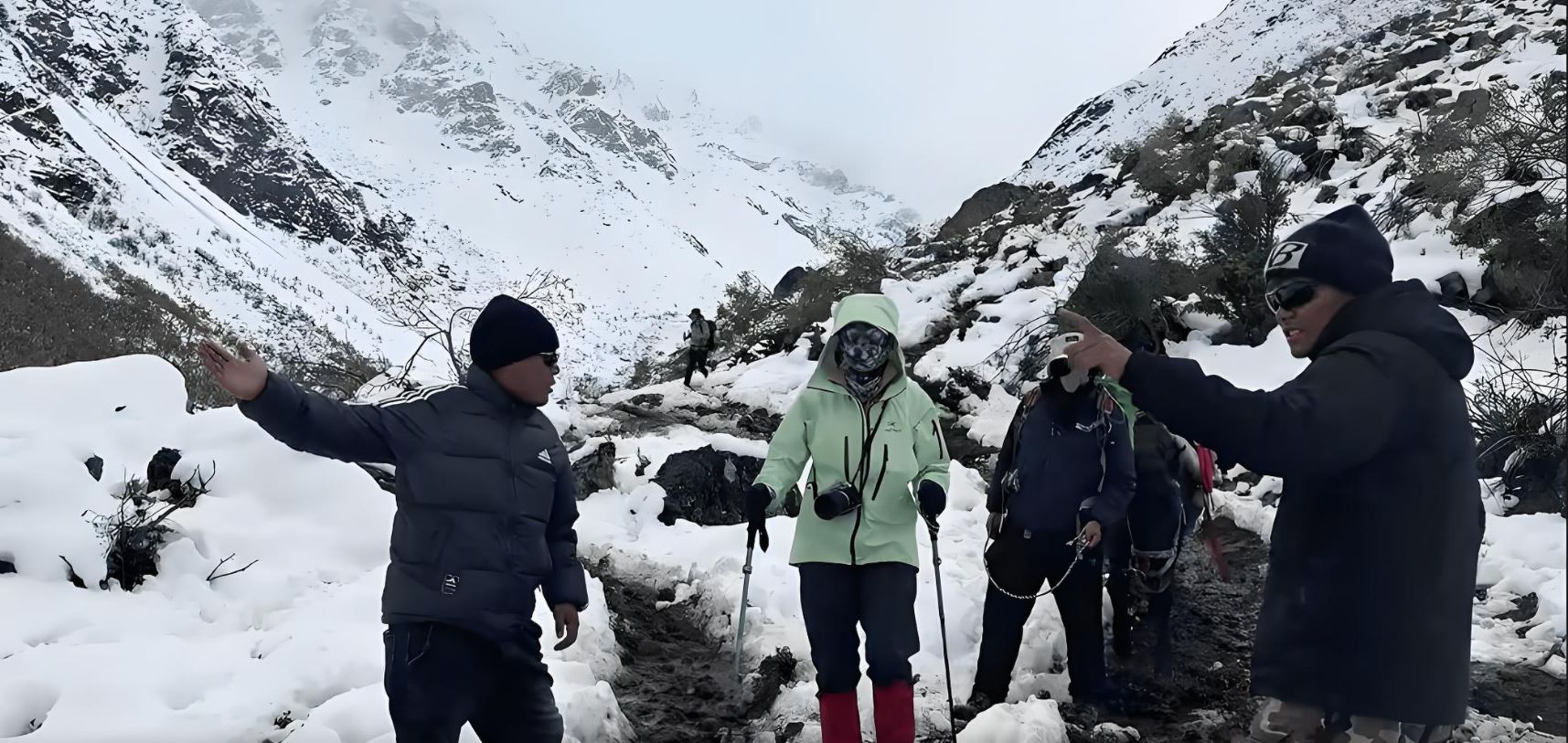
16 Days Gama Valley Trekking Tour
The Gama valley east of the mountain, deeper and considerably tougher, for guests who have trekked at altitude before.
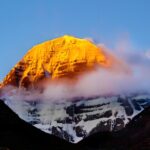
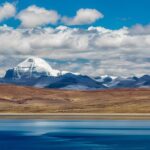
15 Days Mt. Kailash + Everest Base Camp & Namtso Lake Grand Tour
Kailash, Everest and Namtso in one journey, for travellers who want the mountain as part of the whole plateau rather than on its own.
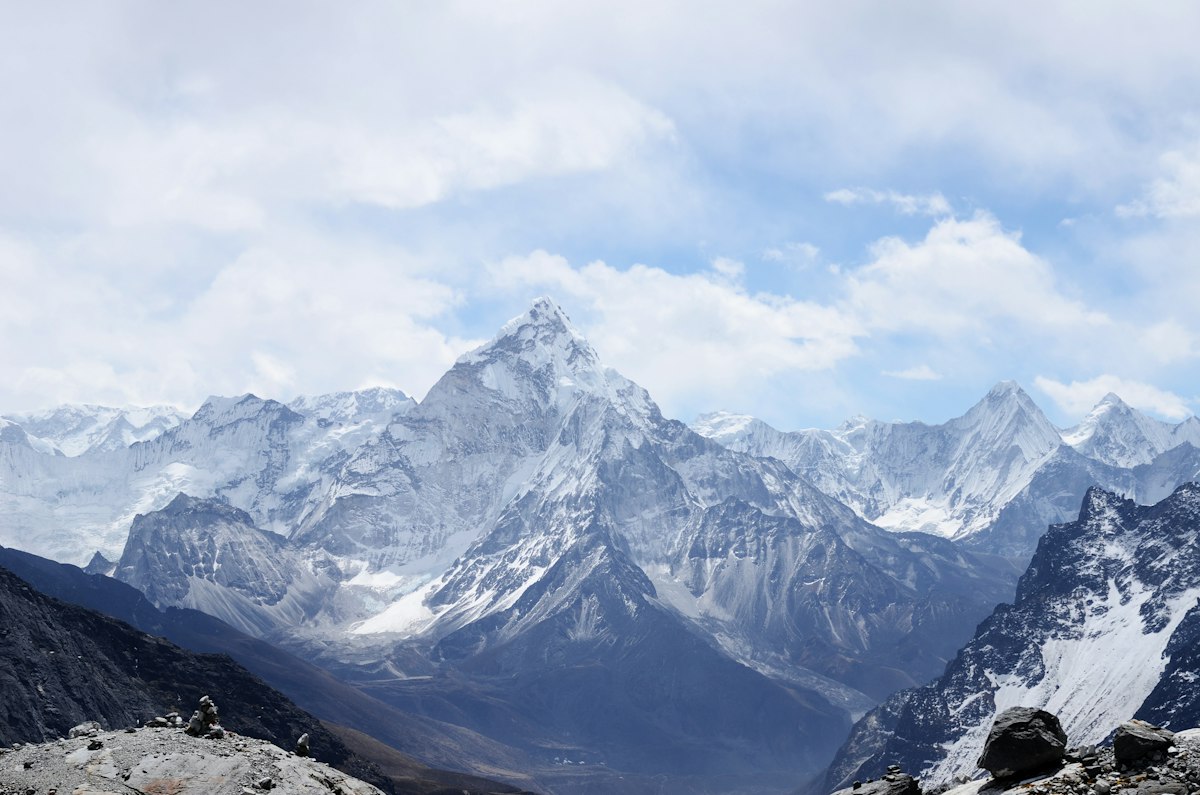
Everest on foot, then across to Nepal
The Tibetan walk first, then the border and the handover to our partner in Kathmandu for the Nepali trails.
Frequently asked questions
Do you run the Nepali half as well?
Not ourselves. The Nepali trails need a Nepali trekking permit and a licensed Nepali operator, and that section is arranged by our partner in Kathmandu. We run the Tibetan walking, hand you over at the border, and stay in touch across the whole journey.
Which border crossing is used?
Gyirong, on the road between Shigatse and Kathmandu. The crossing and its opening times are confirmed for your dates when we build the trip, since the border is not open to tourists every day of the week.
How fit do I need to be for the Tibetan walk?
The Old Tingri route is four to five days of walking at 4,500 m and above, on open ground rather than technical terrain. It suits anyone comfortable with long walking days at altitude; we build in acclimatisation before the start and would rather add a day than rush the crossing.
We answer within 12 hours, Monday to Saturday.