Small group or private
13 Days Beijing, Pingyao, Xi’an & Tibet Train Tour
13 Days from $1,780 per person Overview Itinerary Tips & FAQ Beijing Great Wall Pingyao Ancient City Red Lantern Streets Xi’an Terra Cotta Warriors Qinghai-Tibet Railway Lhasa Sera Monastery China’s greatest…
- 13 Days / 12 Nights
- Beijing → Great Wall → Pingyao Ancient City → Red Lantern Streets → Xi'an → Terra Cotta Warriors → Qinghai-Tibet Railway → Lhasa → Sera Monastery
- Moderate pace
- Best: April to October
- No Deposit — Ever
- Cancel Free Before Permit Issued
- Full Refund except $100 Permit Fee
- Bring 7, Your Spot Is Free
- Our Own Office in Lhasa, Since 1999
The trip at a glance
Pingyao is one of the best-preserved ancient walled cities in China — its streets of Ming and Qing Dynasty courtyard houses, red lanterns hung between traditional grey-tile rooftops, and the original city walls still intact after six centuries. Xi’an was the starting point of the Silk Road and home of the legendary Terra Cotta Army — 8,000 life-sized clay warriors buried to protect the first emperor of China for eternity.
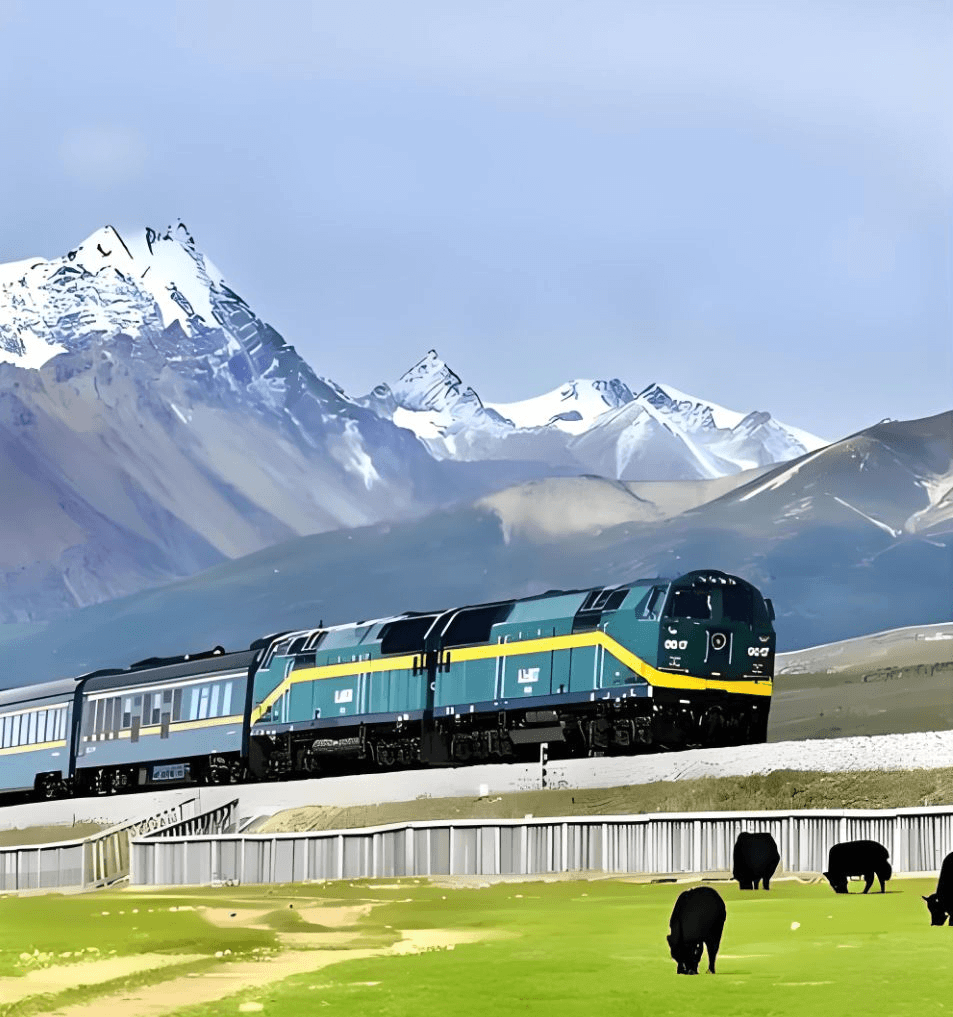
The complete journey from Beijing to Lhasa is done entirely overland by train — no flights, no coaches, no compromise. All private. Tibet portion fully customizable.
- Beijing → Great Wall, Forbidden City
- Bullet Train to Pingyao → Ancient Walled City
- Pingyao → Rishengchang Exchange House, County Government Office
- Bullet Train to Xi’an → Terra Cotta Warriors
- Xi’an → Ancient City Walls, Muslim Quarter, Big Wild Goose Pagoda
- Bullet Train Xi’an → Xining (Connecting Point) → Board Tibet Train
Day by day
Beijing → Great Wall → Pingyao Ancient City → Red Lantern Streets → Xi'an → Terra Cotta Warriors → Qinghai-Tibet Railway → Lhasa → Sera Monastery
Day1
Arrive Beijing — Tiananmen Square, Temple of Heaven
Arrive in Beijing. Visit Tiananmen Square and the Temple of Heaven — the circular ceremonial altar where Ming and Qing emperors made offerings to heaven for good harvests. Extraordinary architecture in a vast parkland setting.
Day2
Beijing — Great Wall, Forbidden City
A full day on Beijing’s two defining monuments. The Great Wall at Badaling — snaking across rugged mountain ridgelines, one of the great engineering feats of the ancient world. The Forbidden City — 9,999 rooms within towering vermillion walls, the imperial heart of China for five centuries.
Day3
Bullet Train to Pingyao — Ancient Walled City
Board the high-speed bullet train to Pingyao (approximately 2.5 hours from Beijing). Pingyao’s ancient city walls — built in 1370 during the Ming Dynasty — enclose a remarkably intact historic town of cobblestone lanes, traditional courtyard residences, red lanterns strung between grey-tile rooftops, and centuries-old shop fronts. Walk the full circuit of the city walls at sunset.
Day4
Pingyao — Rishengchang Exchange House, County Government Office
A slow morning exploring Pingyao’s old streets. The Rishengchang Exchange House — founded in 1823 — was China’s first financial institution and the origin of the Chinese banking system; its restored offices and vaults offer a fascinating window into Qing Dynasty commerce. The old County Government Office nearby is one of China’s best-preserved ancient administrative buildings.
Day5
Bullet Train to Xi'an — Terra Cotta Warriors
Morning bullet train to Xi’an (approximately 2 hours). Head directly to the Terra Cotta Warriors — the underground mausoleum of China’s first emperor Qin Shi Huang, guarded by 8,000 life-sized clay soldiers, horses, and chariots arranged in precise battle formation. Each warrior’s face is individually sculpted. The scale and craftsmanship, 2,200 years after burial, is extraordinary.
Day6
Xi'an — Ancient City Walls, Muslim Quarter, Big Wild Goose Pagoda
Rent a bicycle and ride the full circuit of Xi’an’s ancient city walls — 14 kilometres of battlements offering panoramic views over the old city. The Muslim Quarter below is a labyrinth of food stalls, mosques, and market lanes, famous for hand-pulled noodles, pomegranate juice, and crunchy sesame flatbreads. The Big Wild Goose Pagoda, built in 652 AD to house Buddhist scriptures brought from India, rises above the southern quarter of the city.
Day7
Bullet Train Xi'an → Xining (Connecting Point) — Board Tibet Train
Morning bullet train from Xi’an to Xining (approximately 2 hours) — the mandatory gateway to Tibet by rail. From Xining, board the Qinghai-Tibet Railway in the evening. The train departs into the darkness of the plateau, climbing steadily through the night.
Day8
On the Qinghai-Tibet Railway — Arrive Lhasa
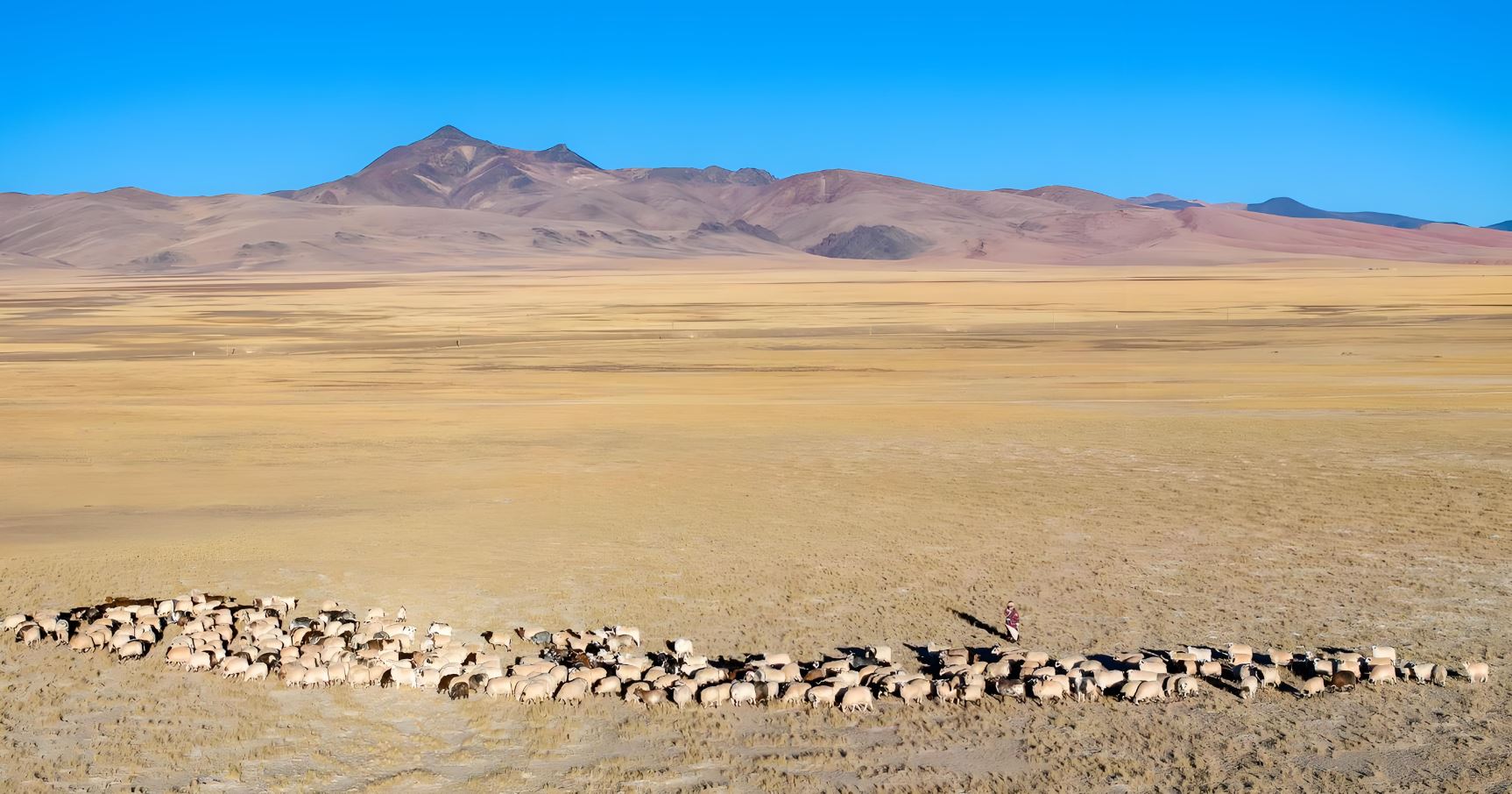
The plateau crossing unfolds in full daylight: vast open grasslands, wild yak herds, Tibetan antelope, nomad encampments, and the Tanggula Pass at 5,072 metres — the world’s highest railway pass. Arrive Lhasa in the evening.
Day9
Lhasa — Rest and Acclimatize
A full day of rest at 3,600 metres. Drink water, eat lightly, move slowly. A short evening walk through the old Tibetan quarter is all that is recommended.
Day10
Lhasa — Potala Palace, Jokhang Temple, Barkhor Street
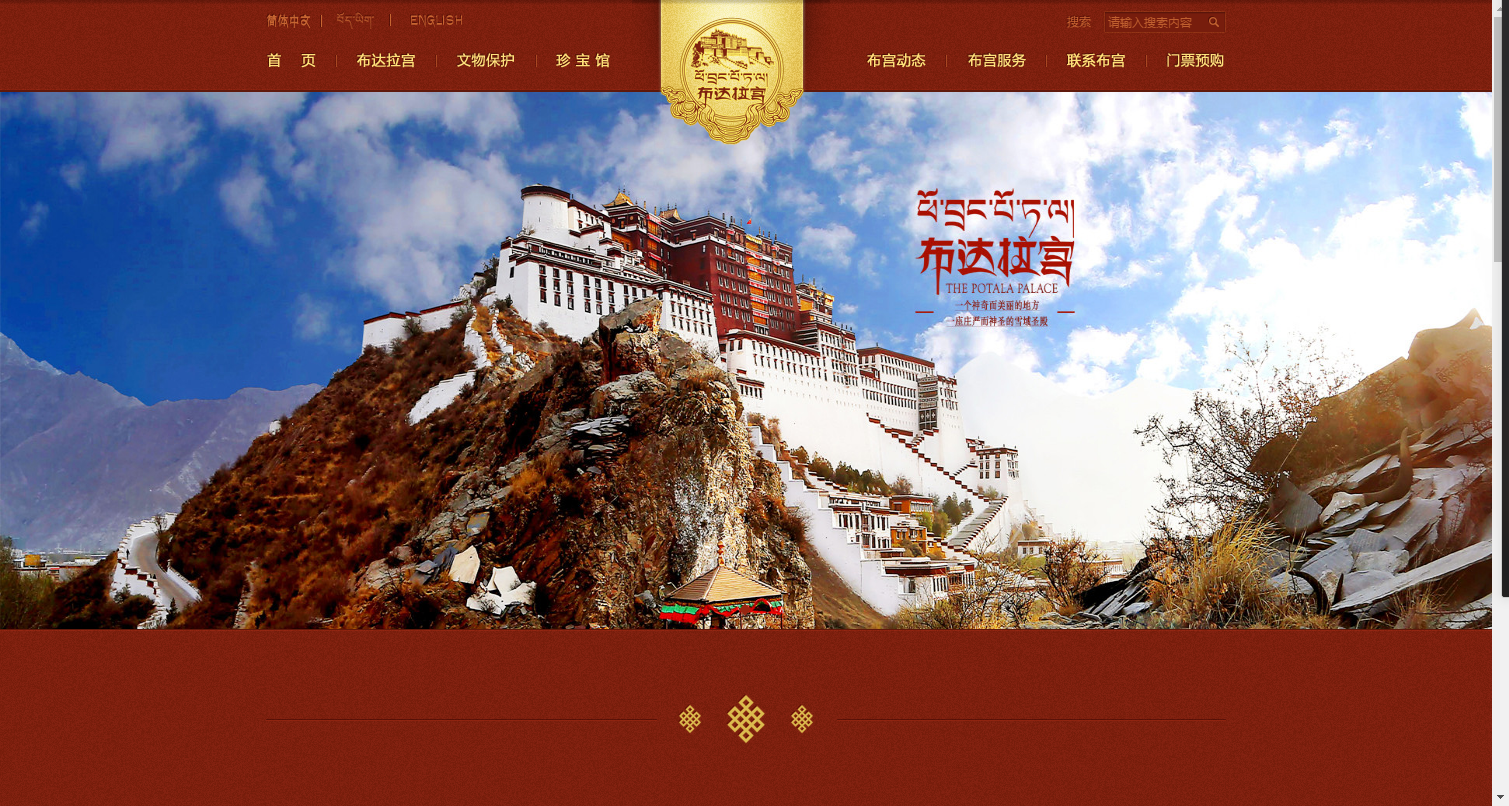
The three essential sites of Lhasa: the imposing Potala Palace with its gilded chapels and Dalai Lama history, the sacred Jokhang Temple with its precious Jowo Rinpoche statue, and Barkhor Street’s living pilgrim circuit of prayer wheels, incense smoke, and Tibetan market stalls.
Day11
Lhasa — Sera Monastery, Tibet Museum
Morning at Sera Monastery for the famous afternoon monk debates (15:00–17:00, except Sundays) — one of Tibet’s most vivid cultural spectacles. Tibet Museum for exhibits on Tibetan history, traditional art, and Buddhist culture.
Day12
Lhasa — Yamdrok Lake, Karola Glacier, Gyantse (Day Trip)
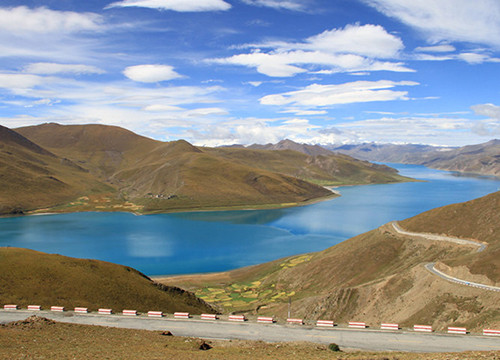
The classic day trip west of Lhasa: Kampala Pass and the vivid turquoise panorama of Yamdrok Lake, Karola Glacier at the roadside, and Gyantse’s extraordinary Kumbum Pagoda with its seventy individual chapels. Return to Lhasa in the evening.
Day13
Lhasa Departure
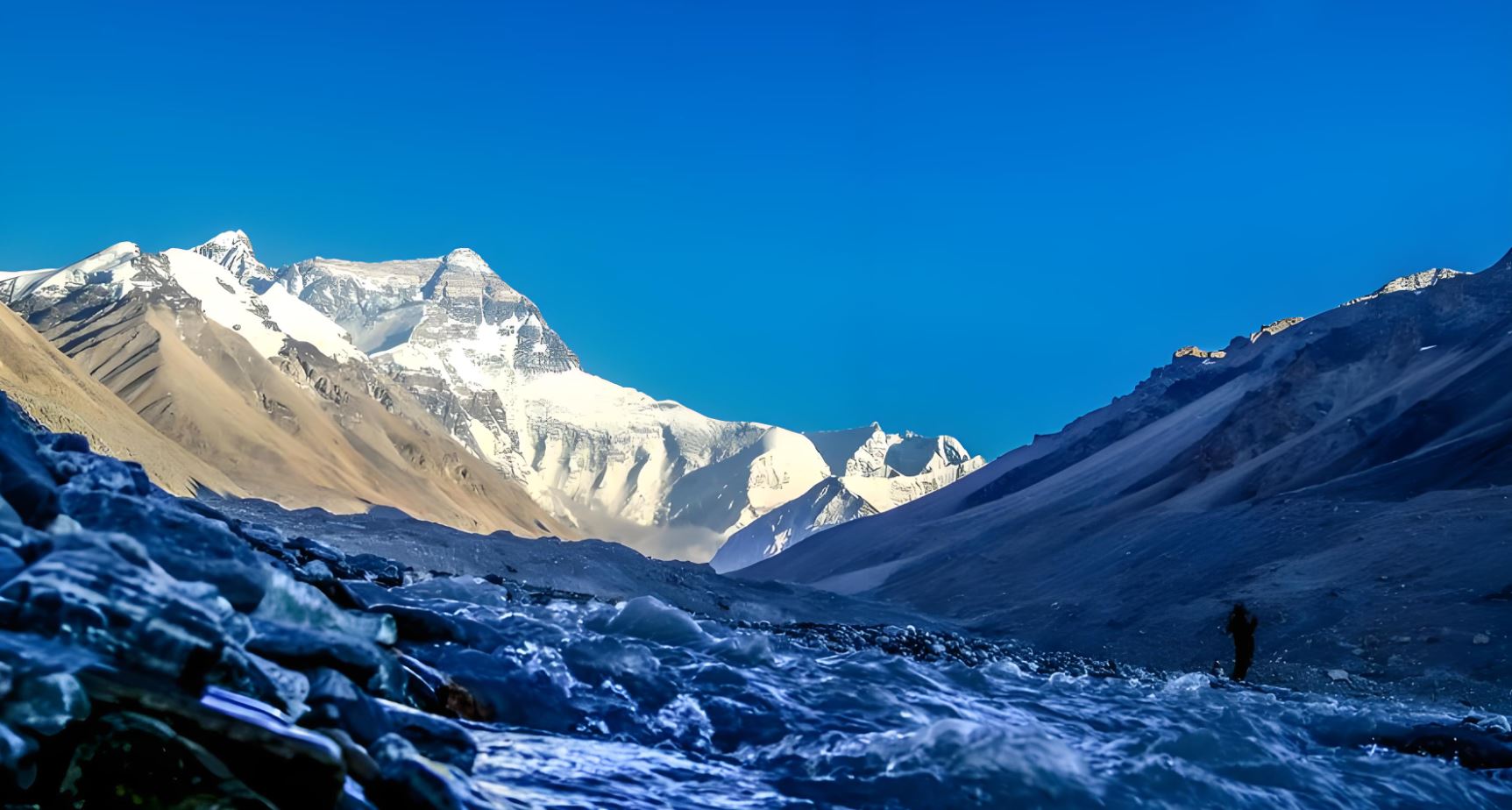
Transfer to Lhasa airport or train station for departure. This 4-day Lhasa example can be extended to include Everest Base Camp, Shigatse, or any other Tibet destination. Contact us to design the right itinerary for your schedule.
Meals: Breakfast Tibet Permit — Required for All Visitors Every visitor to Tibet must hold a Tibet Tourism Bureau (TTB) permit. It is mandatory, cannot be obtained on arrival, and differs by nationality. We handle the full application once you book — please allow at least 15 days before your departure date.
What is included
Included
- Tibet Entry Permit and Alien’s Travel Permit
- Train tickets as listed (bullet trains + Qinghai-Tibet Railway)
- All entrance fees for tourist sites listed in the itinerary
- Professional English-speaking guide for all portions
- Private vehicle with driver throughout
- All accommodation listed in the itinerary
- Shared oxygen tank in vehicle (Tibet portion)
- Tourist accident/casualty insurance
Not included
- Single room supplement — free of charge for any group booking 5 rooms or travelling with 10 or more.
- International flights to/from China
- Meals not specified in the itinerary
- Tips for guides and drivers
- Personal expenses
Photos from this route
Questions travellers ask
How large will my group be?
Join-in departures run with a minimum of 3 travellers — usually 3–8 pax, and never more than 16. You choose the departure date, the starting point and the itinerary length that suits you; guests on different day counts travel together on the shared legs, and each group leaves when their own itinerary ends. If you prefer, this route can also run as a private tour for your own party only. A 3–8 group costs a little more per person and is quieter, with more freedom to change the day on the road; a 3–16 group costs less per person and gives you more people to travel with.
Which permits does this tour need?
We arrange all required Tibet permits for you as part of the booking — you only need a valid passport. Depending on the areas visited this can include the Tibet Travel Permit (TTB), the Aliens’ Travel Permit (PSB), the Frontier Pass and, for sensitive areas, a Military Permit.
How do I get to the starting point of the tour?
The tour starts in Beijing. You can reach it by flight or by the Qinghai–Tibet railway — either way we meet you on arrival. Many travellers fly in and take the train out (or the other way round) to see both faces of the plateau. We are happy to advise on flights and train tickets as part of your booking.
Can this tour be customized?
Yes — every tour on this site can also run as a private departure with your own dates and pace, arranged by our own office in Lhasa. Send us your dates, group size and interests and we will adapt the itinerary around you.
Before you send your inquiry
- No deposit — ever. Your dates are held with a free inquiry, and nothing is due until we confirm. On fixed group departures, book early to secure your seats.
- Cancel free before your Tibet Travel Permit is issued — full refund, every dollar.
- After the permit is issued: the USD $100 permit fee is non-refundable, everything else is refunded. Refunds within 7 business days.
- Bring a group of 7 and your spot is free (7+1).
- Single room supplement — free of charge for any group booking 5 rooms or travelling with 10 or more.
- Tell us your dates and route on the form below — you will have a written itinerary and an item-by-item quote within 12 hours, with no obligation to book.
- Prices depend on group size, hotel standard, season and how you travel into Tibet, so we quote each trip individually rather than from a price list.
- Hotel details — the exact hotels we use — come with your quote. Ask below for the standard you would like and we will match it.
- A Lhasa-based Tibet tour operator since 1999 — our own guides, vehicles and office in Lhasa, 7,200+ travellers from 40+ countries, 4.9★ on TripAdvisor.