
Browse by theme
Kham & Amdo Tours
Two-thirds of the Tibetan world sits east of Lhasa. Kham is the mountain east — Chamdo, the G318 corridor, the old tea-and-horse road. Amdo is the northern plateau — Qinghai Lake, Tongren, Labrang. Both are Tibetan to the bone, and neither is on the standard Tibet itinerary. We run the Tibetan side of these journeys ourselves; the stages that cross into Sichuan, Qinghai or Gansu are handled by partners we have worked with for years.
Three Tibets, not one
Traditionally, the Tibetan plateau is spoken of in three parts. U-Tsang is central and western Tibet — Lhasa, Shigatse, Everest, Kailash — which is what almost every visitor sees. Kham covers the east: Chamdo in the Tibet Autonomous Region, and the Tibetan districts of Sichuan across the border. Amdo covers the north-east: most of Qinghai, plus Tibetan Gansu and northern Sichuan.
They are not variations on the same trip. The landscape, the architecture, the dialects and even the schools of Buddhism differ. Kham built the great printing houses and produced the wandering traders; Amdo produced the Dalai Lama’s birthplace and the largest monastic universities on the plateau.
Kham — the mountain east
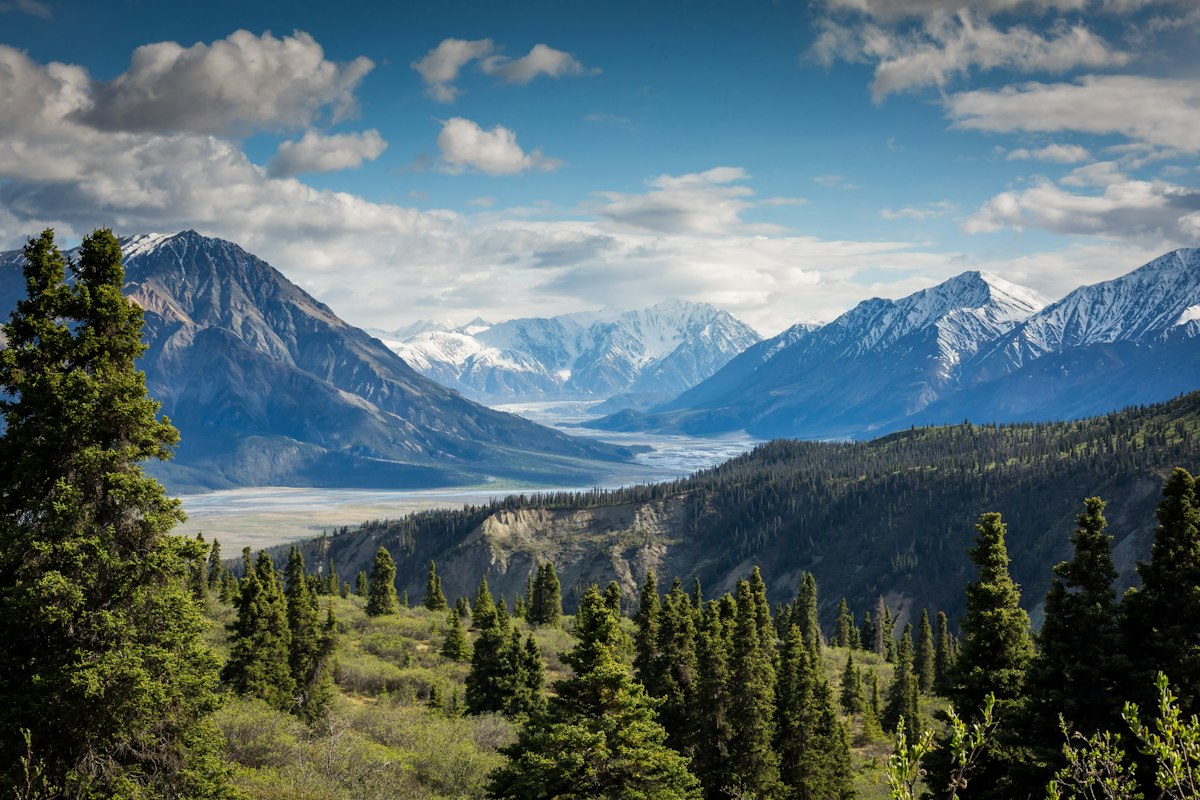
The Tibetan side of Kham is Chamdo Prefecture, reached from Lhasa by the G318 highway over the Tanggula and Nyenchen Tanglha ranges — a four to five day drive that passes through some of the emptiest country in Tibet. Along it: the 11th-century monastery town of Rekwa, the Bön heartland around Dingqing, the turquoise inlet of Rawok Lake below snow peaks, and Chamdo itself, where the Jampaling monastery sits at the junction of two great rivers.
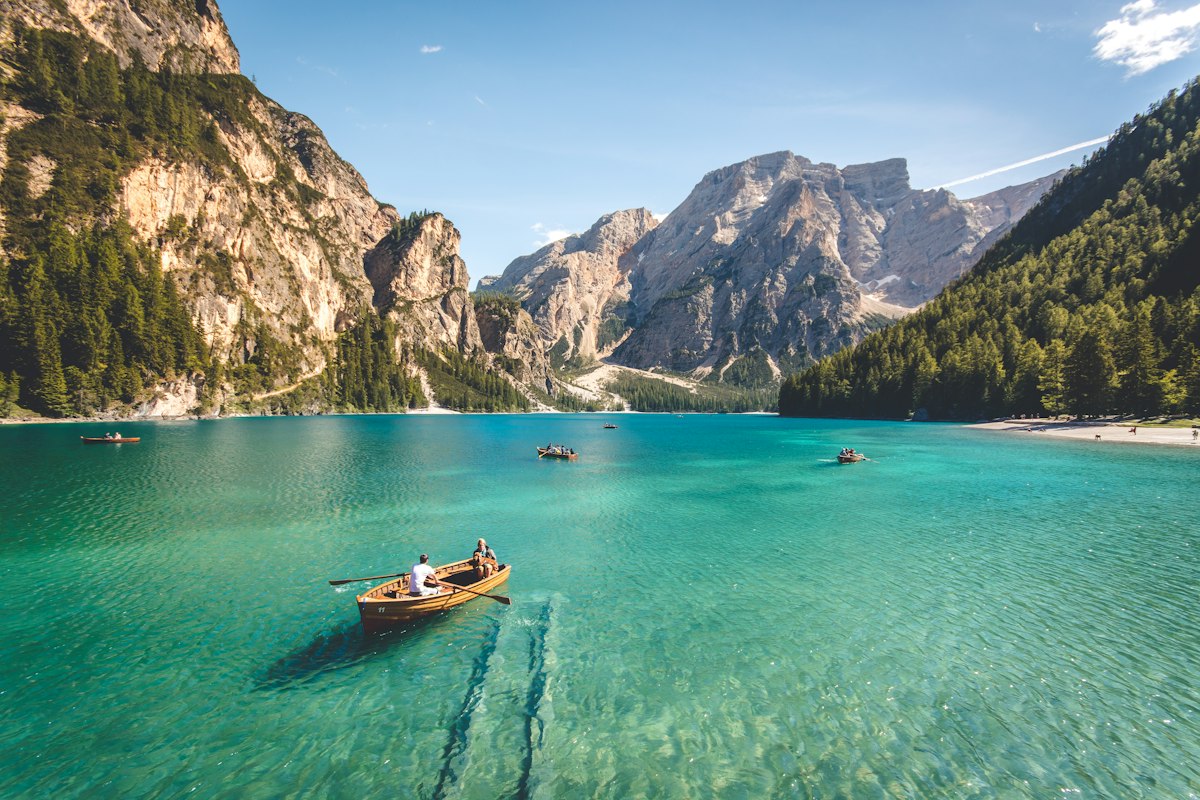
Across the Sichuan border lies what many travellers consider the most beautiful Tibetan country of all — Dege and its 18th-century printing house, the grasslands of Litang, the tower houses of Danba, and the holy mountain of Yading. These are outside our own licence area, so we arrange them through a Sichuan partner, at their prices, with nothing added by us.
Amdo — the northern plateau
Amdo fits naturally onto the front of a Tibet trip, because the train to Lhasa starts in Xining. Before the train, or after it on the way home, the region offers the Kumbum monastery outside Xining, where Tsongkhapa was born; the Thangka painters’ town of Tongren with its Regong arts; the vast blue of Qinghai Lake; and Labrang monastery at Xiahe, the largest Tibetan monastic institution outside the Tibet Autonomous Region.
The great annual gathering in this region is the horse festival, when nomad families come in from the grasslands for racing, riding stunts and days of trading — the single best window into Amdo nomad life, and the one event guests ask us about most.
How we put these journeys together
Every route on this page is private, built for your dates. The Tibetan section — permits, vehicles, guides, hotels — is ours. Where the route continues into Sichuan, Qinghai or Gansu, our partner handles those days and quotes their own cost, and we stay across the whole itinerary so you have one point of contact from start to finish.
Say how many days you have and which way round you are travelling, and we will tell you honestly whether Kham, Amdo or neither fits properly into the time available. Some of these distances are long, and we would rather say so than sell you a rushed version.
Kham or Amdo — how to choose
Guests usually arrive at this page with one of the two names already in mind, and the honest answer is that they are different journeys for different appetites.
Choose Kham if you want mountains, monasteries and the romance of the tea-and-horse road: the G318 climbing out of the Sichuan basin, the grasslands of Litang, the printing house at Dege, gorges and snow peaks. It is the more dramatic of the two and the harder on the body — long driving days, passes above 4,500 m, and roads that a single landslide can close.
Choose Amdo if you want the plateau itself: Qinghai Lake, the great monastic universities, and the grasslands where nomad families bring their horses in for the summer gatherings. It is gentler to travel, easier to reach because the railway begins at Xining, and it fits naturally onto the front of a Tibet trip rather than being a journey of its own.
Choose both if you have three weeks and want the full sweep of the Tibetan world outside the TAR — and accept that a good part of it will be spent in a vehicle.
What these journeys actually look like
A Kham crossing is not sightseeing with long drives in between; the driving is the trip. Days start early, cover 200 to 350 km of mountain road, and finish wherever the light and the guesthouses allow. You eat where the drivers eat, stop when something is worth stopping for, and treat the itinerary as a direction rather than a schedule.
Amdo runs differently. The distances between Xining, Qinghai Lake, Tongren and Labrang are manageable, the roads are good and the altitude is lower than central Tibet. That makes it the part of the plateau where a family group or a first-time visitor can move comfortably — and the reason the region works so well as the opening days of a longer journey rather than a destination of its own.
Amdo with a book behind it — the route of Huc & Gabet
One journey through this region is older than any itinerary we could write. In 1844 two French Lazarist missionaries, Évariste Huc and Joseph Gabet, left a mission station in Inner Mongolia dressed as Tibetan lamas and travelled west — across the steppe, through the Muslim towns of Gansu, over the Qinghai plateau — reaching Lhasa on 29 January 1846. The middle of that journey is Amdo: they wintered at Kumbum, the great monastery outside Xining, learning Tibetan and waiting while the caravan that would carry them to Lhasa assembled. What Huc wrote afterwards, published in Paris in 1850, has never gone out of print.
The corridor still works the same way. Xining, Kumbum, the Qinghai grasslands and the plateau passes are the natural first chapters of a journey that ends in Lhasa — which is exactly why we treat Amdo as the opening of a Tibet trip rather than a detour from it. We retrace the route as a private journey built around their itinerary and their book: Inner Mongolia, the Silk Road towns of Gansu, Kumbum, the plateau crossing, Lhasa. Both the English and French editions are free in the public domain, so there is nothing stopping you from reading the journey before you take it. In the Footsteps of Huc & Gabet →
When to go
Late spring through early autumn is the comfortable window, with the grasslands green from June and the clearest driving from September. Winter is possible in the Amdo towns, where the monasteries and the lake look their best in low sun, but the high passes into Kham can close with snow at any time between November and March. Tell us your dates and we will tell you what is realistic.
Where to start
| Route | Length | Best time | Pace | How | Start → finish |
|---|---|---|---|---|---|
| Amazing G318: 10 Days Sichuan Tibet Epic Overland Tour in Small Group | 10 Days / 9 Nights | May to early October | Moderate | Private | Drive along the legendary G318 — the world's most scenic road → Witness the icy splendour of Midui Glacier (the most accessible glacier in Tibet) → See the stunning emerald Basongtso Lake surrounded by dense alpine forest → Visit the holy Potala Palace and witness Monks' Debating at Sera Monastery |
| 10 Days Panda & Qinghai Tibet Railway Tour | 10 Days / 9 Nights | April to October | Moderate | Group or private | Chengdu Giant Panda Base → Sichuan Opera & Face-Changing → Xining → Qinghai Lake → Bird Island → Ta'er Monastery → Qinghai-Tibet Railway → Lhasa → Yamdrok Lake |
| 11 Days Overland Tour Following the Train Running Route from Xining to Lhasa | 11 Days / 10 Nights | May to early October | Moderate | Group or private | Xining → Ta'er Monastery → Qinghai Lake → Chaka Salt Lake → Kekexili Nature Reserve → Kunlun Mountains → Nagqu → Namtso Lake → Lhasa |
Routes that already cross this country
These run through Kham or Amdo as part of a longer journey. Every one of them is private and can be shortened, extended or reversed.
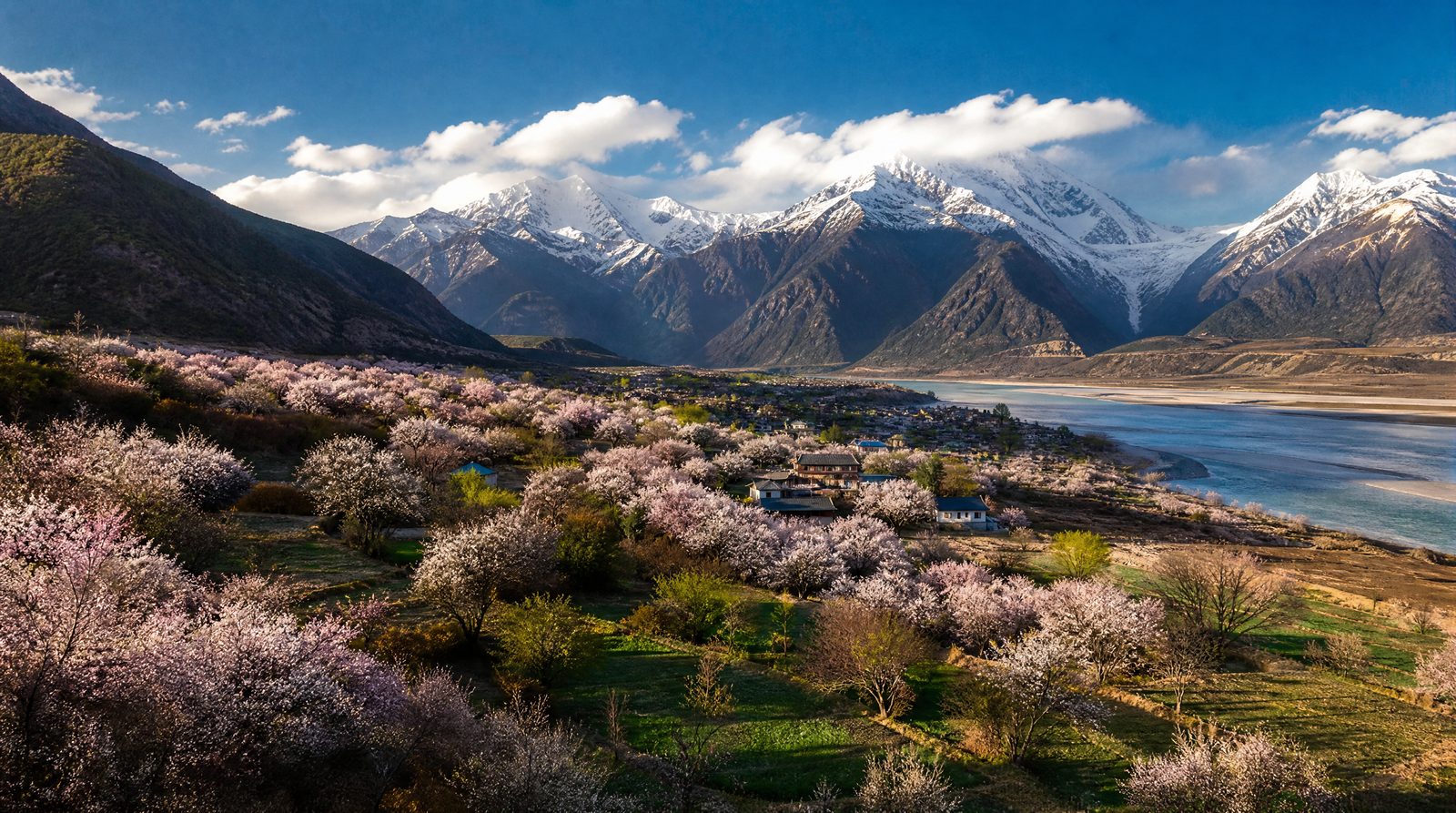
The classic eastern crossing
Amazing G318: 10 Days Sichuan Tibet Epic Overland Tour in Small Group
Ten days on the G318 between Sichuan and Lhasa — the road that carries most of the region’s traffic, and the fastest way to see what Kham actually looks like.

Amdo before the train
10 Days Panda & Qinghai Tibet Railway Tour
Pandas in Chengdu, then Qinghai — lake, monastery and grassland — before boarding the train to Lhasa. The most natural way to put Amdo on a first Tibet trip.
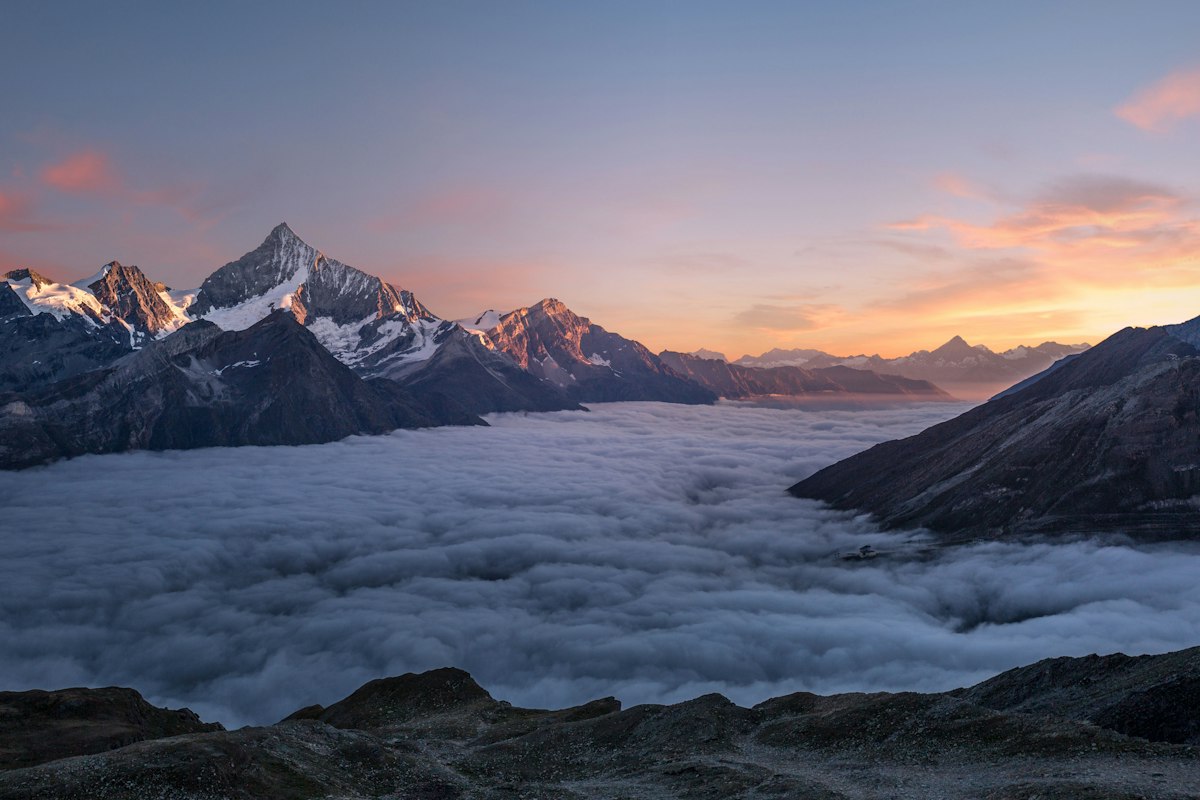
Following the railway
11 Days Overland Tour Following the Train Running Route from Xining to Lhasa
Eleven days along the line from Xining to Lhasa, stopping at the places the train passes through in the night.
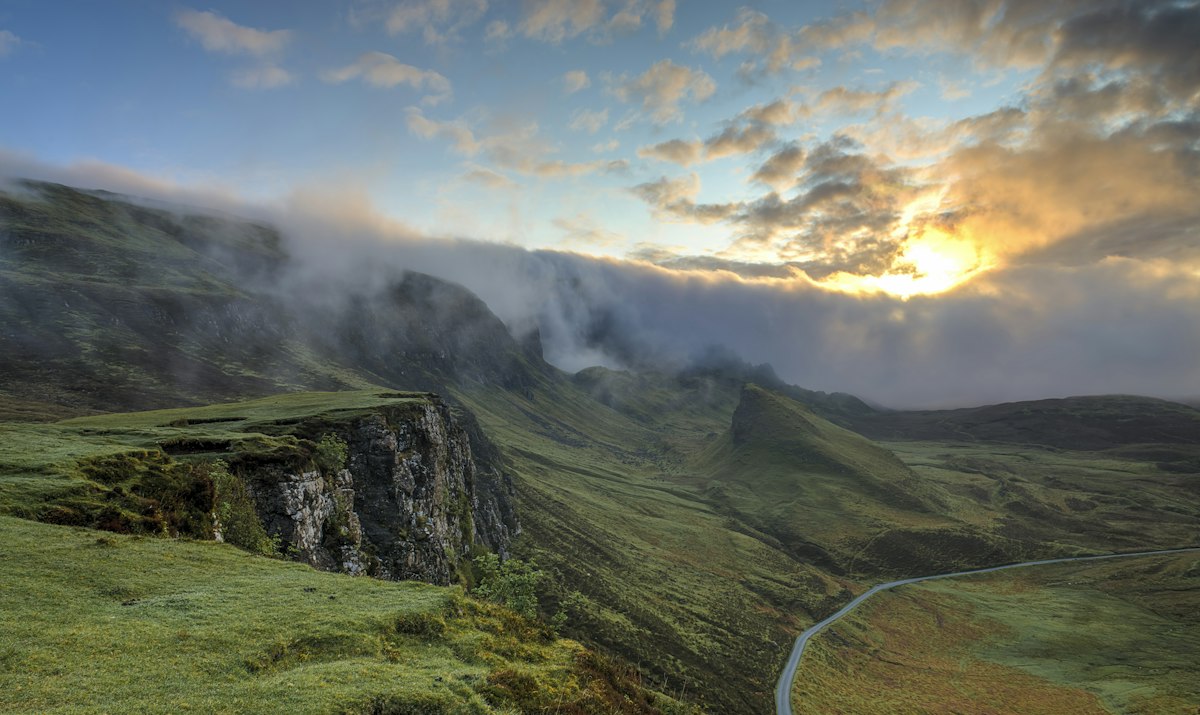
An 1844 route, still runnable
In the Footsteps of Huc & Gabet
Two French missionaries walked this corridor in 1844 and reached Lhasa in 1846. We retrace it on today’s roads and railways, with their book in hand.
Beijing · Hohhot · Lanzhou · Xining & Kumbum · the plateau crossing · Lhasa
Built to order
There is no catalogue for this corner of the plateau — the routes depend on the season, the roads and how much driving you want. Tell us the shape of the trip and we will draft it.
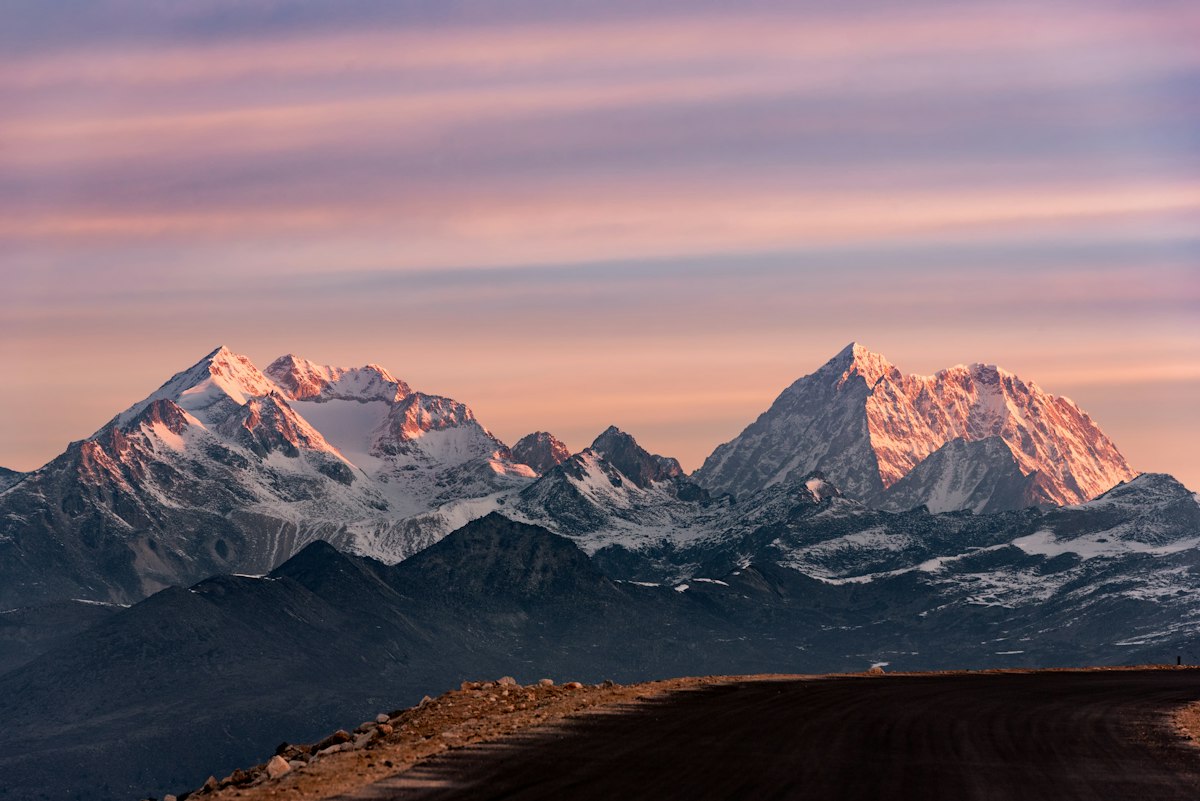
Chamdo & the eastern monasteries
The Tibetan-side crossing of Kham: the G318 from Lhasa to Chamdo, monastery towns, Bön sites and the great lake in the eastern ranges.
Lhasa · Rekwa · Dingqing · Rawok Lake · Chamdo
Dege, Litang and the Sichuan Tibetan country
Arranged with our Sichuan partner: the printing house at Dege, the grasslands of Litang, the tower villages of Danba and the holy peaks of Yading.
Chengdu · Danba · Dege · Litang · Yading
Amdo monasteries and the Qinghai grasslands
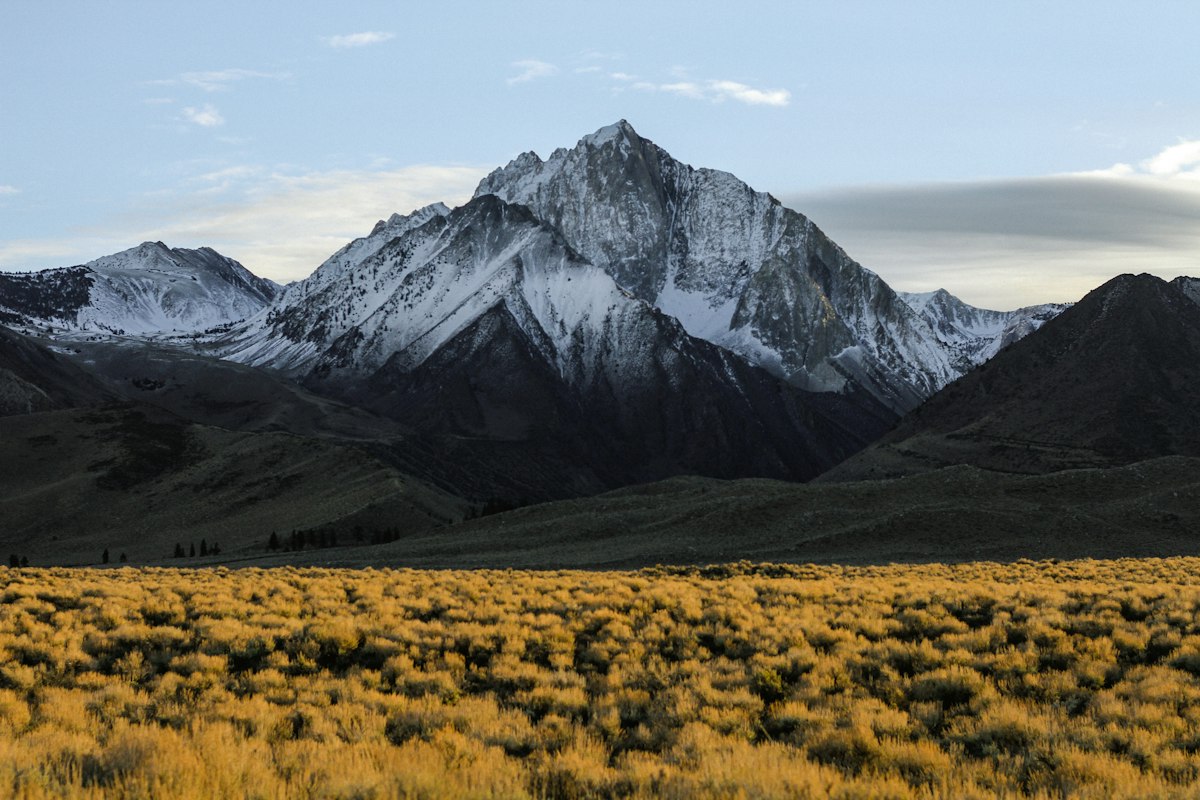
Kumbum and the Regong arts at Tongren, the lake, and Labrang at Xiahe — arranged with our partner, and easy to attach to the front or the back of a Tibet trip.
Xining · Kumbum · Tongren · Qinghai Lake · Xiahe
Nomad horse festival in Amdo
Added to a Tibet trip around the summer festivals, when nomad families gather for racing, riding and trade. Dates move with the Tibetan calendar — ask us and we will tell you what falls within your travel window.
Xining · grassland festival grounds · Xining
Frequently asked questions
Do you operate the Sichuan and Qinghai sections yourselves?
No, and we say so plainly. Our own licence and office cover the Tibet Autonomous Region, so the Tibetan days are ours — permits, vehicles, guides and hotels. Once a route crosses into Sichuan, Qinghai or Gansu, a partner we have worked with for years operates those days at their own rates and we add nothing on top. You still have one point of contact for the whole trip.
Can I visit Kham or Amdo without going to Lhasa?
Yes. Both regions can be travelled on their own, and neither needs the permits that apply inside the Tibet Autonomous Region. The trade-off is that you would be travelling the Tibetan world without seeing Lhasa itself, which most of our guests decide they want once they see how the two fit together. Tell us your dates and we will set out both versions.
How much driving is involved?
More than anywhere else in Tibet. Distances in Kham are long and the passes are high, so a Chamdo crossing from Lhasa is typically four to five days in the vehicle. Amdo is gentler, with most stages under four hours. We build the days around what you are comfortable with rather than the other way round.
What is the best time of year?
June to early October is the reliable window, with green grasslands, open passes and the clearest light in September. The Amdo monasteries and lakes are also rewarding in winter, but the high passes between Lhasa and Chamdo can be closed by snow from November to March.
Can Kham and Amdo be combined in one trip?
Yes, but it takes at least three weeks. The usual shape is to start in Amdo — Xining, Qinghai Lake, Tongren or Labrang — then move south into Kham and finish in Lhasa, using the G318 or the G317 as the spine. Anything shorter and one of the two regions has to go.
Before you send your inquiry
- No deposit — ever. Your dates are held with a free inquiry, and nothing is due until we confirm. On fixed group departures, book early to secure your seats.
- Cancel free before your Tibet Travel Permit is issued — full refund, every dollar.
- After the permit is issued: the USD $100 permit fee is non-refundable, everything else is refunded. Refunds within 7 business days.
- Bring a group of 7 and your spot is free (7+1).
- Single room supplement — free of charge for any group booking 5 rooms or travelling with 10 or more.
- Tell us your dates and route on the form below — you will have a written itinerary and an item-by-item quote within 12 hours, with no obligation to book.
- Prices depend on group size, hotel standard, season and how you travel into Tibet, so we quote each trip individually rather than from a price list.
- Hotel details — the exact hotels we use — come with your quote. Ask below for the standard you would like and we will match it.
- A Lhasa-based Tibet tour operator since 1999 — our own guides, vehicles and office in Lhasa, 7,200+ travellers from 40+ countries, 4.9★ on TripAdvisor.
We answer within 12 hours, Monday to Saturday.