



Tibet Travel Tips
Essential advice for every destination in Tibet — from Lhasa and Shigatse to remote Ngari and the Oracle Lake
Tibet Travel Tips by Destination
Tibet is unlike any other destination on earth. Whether you are heading to bustling Lhasa or the remote grasslands of Nagchu, solid preparation is the key to a smooth and deeply rewarding journey.
Best Time
Mid-May–June and Sep–Oct; late Mar–Apr for Nyingchi
Permits
Tibet Travel Permit required for all foreign visitors
Altitude
3,650–5,300 m — acclimatise before any activity
Health
Carry altitude medication; consult doctor beforehand
Chamdo Travel Advice
Chamdo (Qamdo) lies in eastern Tibet, where Tibet meets Sichuan and Yunnan — the heart of Kham, a region of deep river gorges, forests and proud Khampa culture. The best time is June to September; from November to March, snow can close the high passes.
Nyingchi Travel Advice
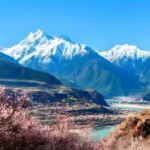
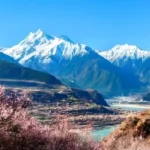
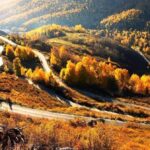
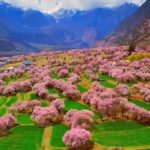
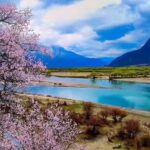
Often called the “Switzerland of Tibet”, Nyingchi is much lower than the rest of the plateau — its main town Bayi sits at about 2,950 m. Late March and April bring the famous peach blossom season; September and October turn the Yarlung Tsangpo valleys gold and red.
Shigatse Travel Advice
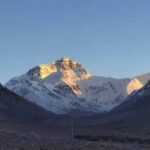
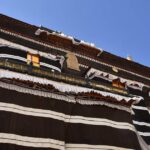
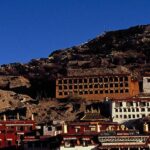
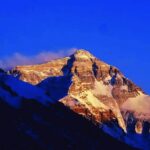
Tibet’s second city and the gateway to Everest, home to the great Tashilhunpo Monastery. April to October is the most comfortable time, and the giant thangka festival at Tashilhunpo usually falls in June or July.
Tsedang Travel Advice
The cradle of Tibetan civilisation: the Yarlung Valley nearby holds Tibet’s first palace and first monastery. April to October is the best time, with the valley milder and drier than much of Tibet.
Lhamo Lhatso Trekking
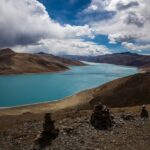
A small sacred lake in Gyatsa County, Lhoka, known as the “oracle lake” — for centuries high lamas have come here to seek visions, including signs that help find the next Dalai Lama. Reached by a 4–5 hour drive from Tsedang.
Nagchu Travel Advice
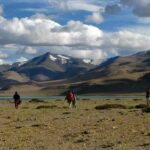
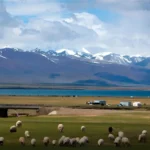
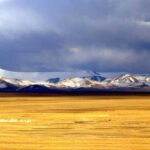
The high northern grasslands, cold for most of the year (the average yearly temperature is below 0°C), at their best in July and August, when the Horse Racing Festival brings a huge tent city to the plains every year from 10 August.
Ngari Travel Advice
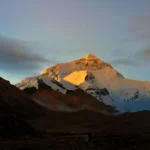
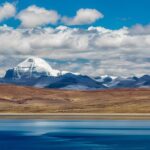
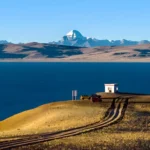
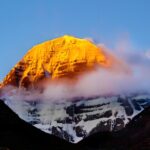
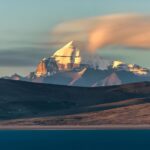
Remote western Tibet, home to Mt. Kailash and Lake Manasarovar. Reach it by a 2-hour flight to Gunsa Airport (4,270 m) or a 3–4 day drive from Lhasa; extra permits are required beyond the Tibet Travel Permit, and we arrange them all.
Lhasa Travel Advice
Lhasa lies in a valley at 3,650 m with a mild climate — about 8°C averaged over the year, though days and nights can differ by 15°C or more. April to October are the most popular months; July and August rain falls mainly at night, and days stay sunny.
Beijing to Lhasa Advice
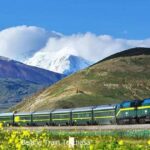
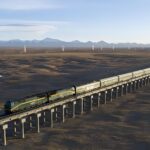
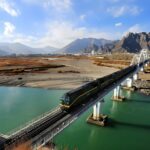
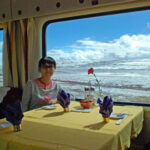
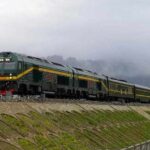
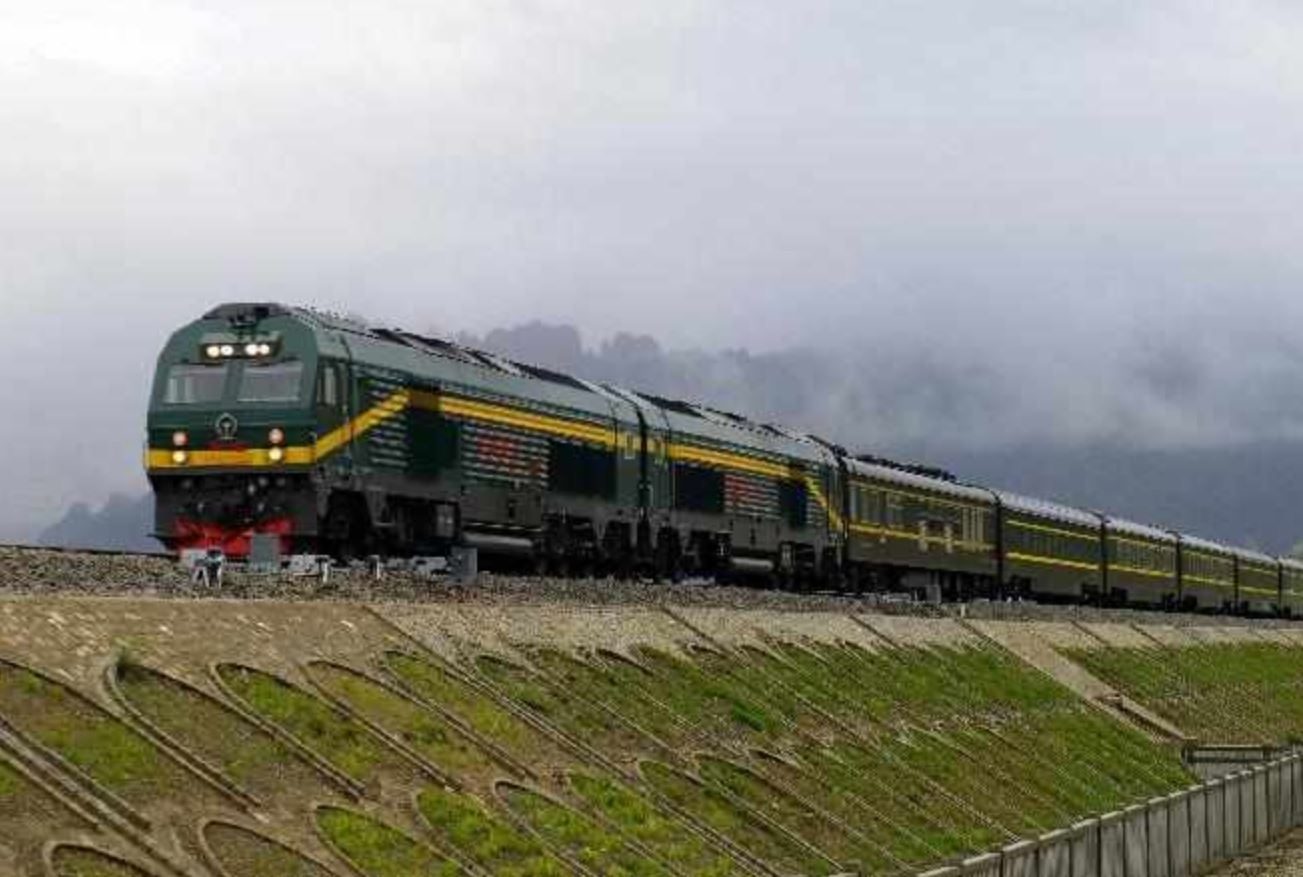
The Z21 leaves Beijing West daily in the evening and reaches Lhasa about 40 hours later, after nearly 3,800 km — one of the great rail journeys of the world.
Potala Ticket In Advance
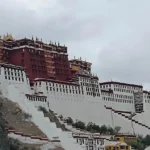
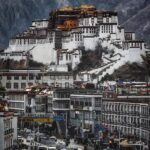
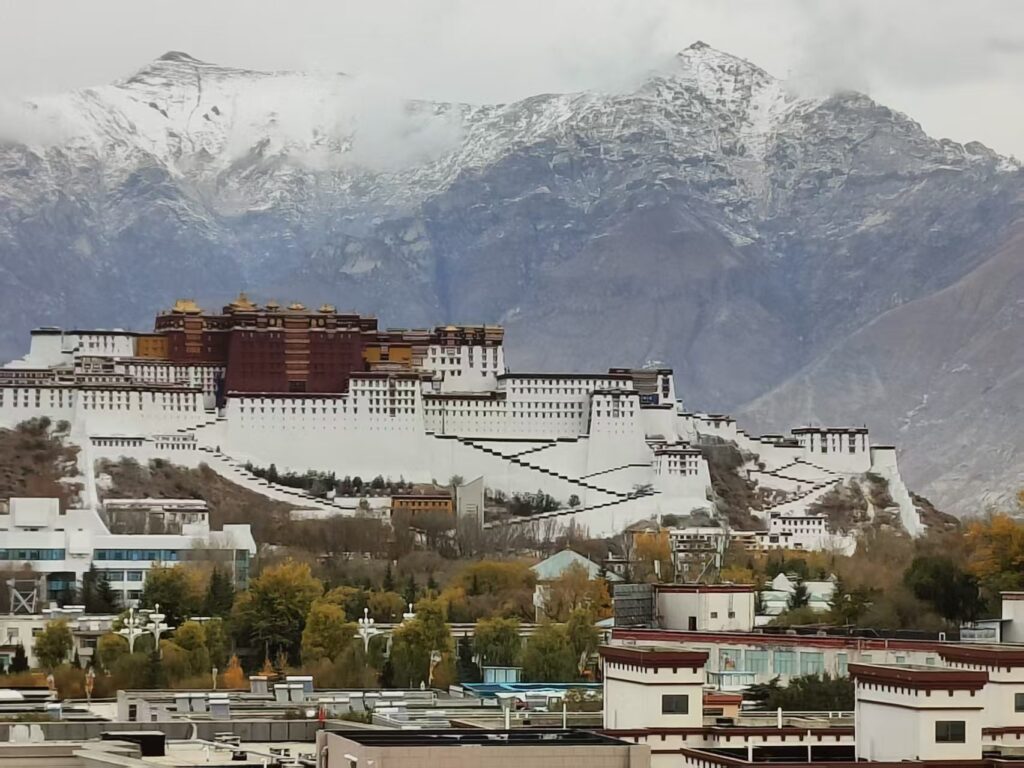
Potala Palace visitor numbers are strictly limited to set time slots, and summer tickets can sell out days ahead. Foreign visitors normally book through their tour company, which reserves the ticket and slot with your passport.
The Five Things Every First-Timer Should Know
- The permit comes first. Every foreign visitor needs a Tibet Travel Permit, arranged through a licensed agency before you buy a flight or train ticket — allow about 15 days, sometimes up to 20, for processing.
- You cannot travel independently. A licensed guide, an organised vehicle and a settled route are required throughout Tibet.
- Altitude is the number-one topic. Lhasa sits at about 3,658 m and many attractions reach above 4,500 m; altitude sickness typically begins 6–10 hours after arrival. Take the first day slowly, drink water, skip alcohol on the climb, and ask your doctor about Diamox before you travel.
- Book hotels and trains early for May–October. The busy season fills the best hotels in Lhasa — book two to three months ahead where you can. Train tickets go on sale 15 days before departure, and we buy yours the day sales open.
- Sort out money before you arrive. Credit cards are hard to use in Tibet outside a small number of top-class hotels; almost everything runs on cash and mobile payment.
Money and Payments
For tour payments we accept wire transfer (our recommendation — lowest fees, in USD or RMB), PayPal, and Alipay / WeChat Pay / UnionPay through an official Bank of China merchant QR (a 4% transaction fee applies, and it works most reliably when you are physically in China). Payments can be made in US Dollars or Chinese Yuan. In Lhasa, plan for small spending in cash or mobile payment — credit cards only work in a handful of top hotels. Full details, including how to verify any payment request really comes from us, are on our payment guide.
Packing and Luggage
If you fly to Lhasa from within China, standard domestic allowances apply: one cabin bag up to 5 kg (55 × 40 × 20 cm) plus 20 kg of checked baggage in economy. One rule catches people out every week: power banks and spare lithium batteries must travel in your cabin bag, never in checked luggage, and on flights within China they need the Chinese “3C” safety mark and a clearly printed capacity.
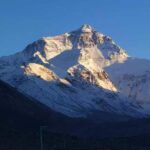
For the plateau itself, add serious sun protection (UV at altitude is fierce), warm layers for nights far colder than the daytime, and — if your route runs to Everest Base Camp, Namtso or Kailash — a sleeping bag liner, a torch and toilet paper. Anything practical you forget can be bought in Lhasa before you head out to remote areas: the city has supermarkets, department stores and outdoor shops on Beijing East Road.
Ready to Plan Your Tibet Trip?
Our expert team has been organising Tibet tours since 1999. We handle all permits, transport and accommodation — you just enjoy the journey.
Frequently asked questions
What is the single most important tip for a Tibet trip?
Allow time to acclimatise. Lhasa sits at 3,658 metres, so plan a gentle first day or two, drink plenty of water, and avoid strenuous activity until your body adjusts.
What do I need before travelling to Tibet?
A valid passport, a Chinese visa, and a Tibet Travel Permit arranged through a licensed operator. Foreign travellers cannot enter Tibet independently.
When is the best time to visit?
The best months for most of Tibet are mid-May to the end of June and September to October — little rain and clear skies. Nyingchi in the southeast is loveliest in late March and April, when the peach trees blossom. Tibet’s tourist season generally runs from April to October.
How much money should I bring?
Carry some cash, as ATMs and card acceptance are limited outside Lhasa. The yuan is the only currency in use; bring enough for meals, tips and souvenirs.
We answer within 12 hours, Monday to Saturday.